Author name: admin

Spokane, WA

Why Fire Ash Needs Asbestos Testing Before Cleanup

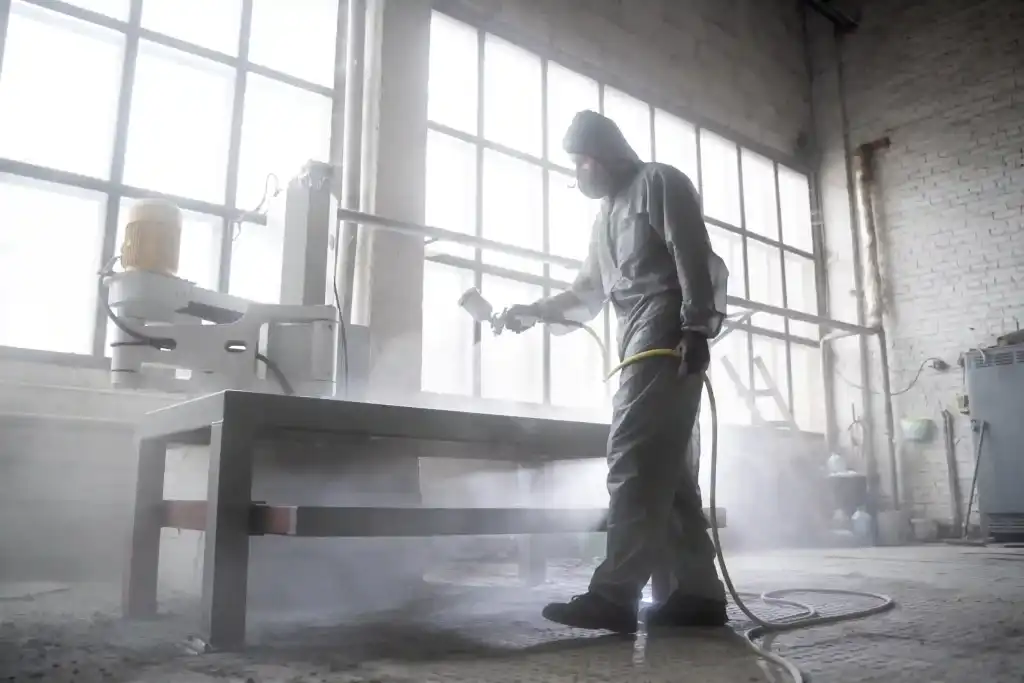
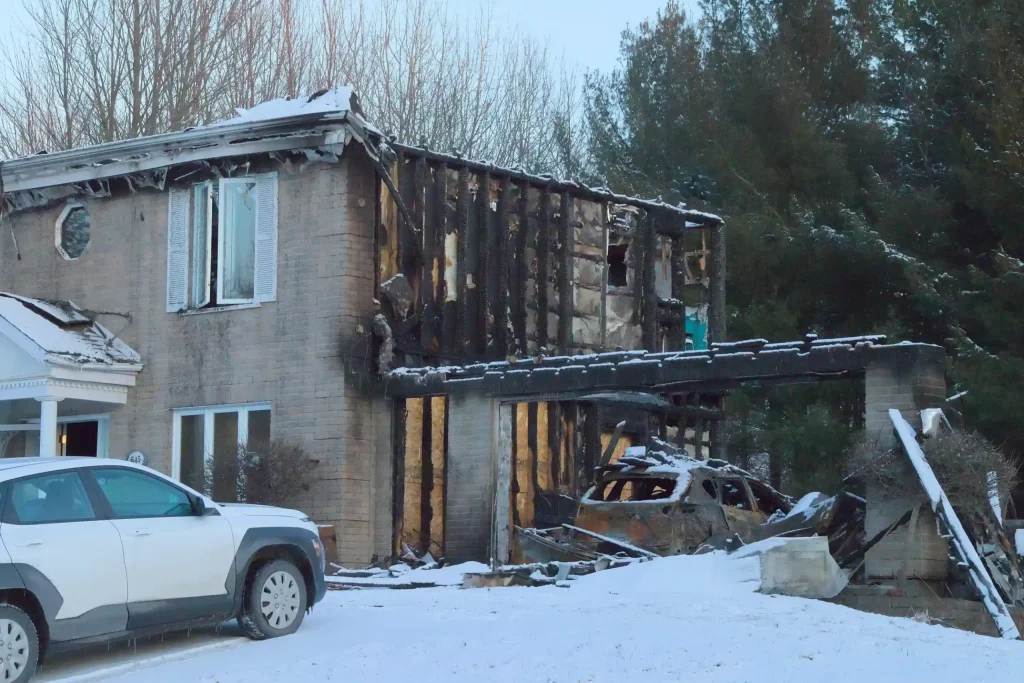
Why Fire Ash Needs Asbestos Testing Before Cleanup Of all the rules property owners face after fire damage, the mandatory asbestos survey is the one people push back on most. It makes sense on the surface. You can see what burned. Your house might be newer. The debris looks like nothing more than ash, charred wood, and twisted metal. Paying an inspector to test it feels like one more delay standing between you and a clean lot. However, asbestos is the one structural hazard you cannot see, smell, or rule out simply by looking at the wreckage. In Spokane County and across the inland Pacific Northwest, debris left from fire-damaged structures is legally classified as demolition, which triggers strict regulatory asbestos testing requirements before any heavy equipment moves in or cleanup begins. This comprehensive guide explains why the survey exists, what certified inspectors actually sample, and what your lab results mean for the cleanup phase. Understanding these requirements helps you plan around them efficiently while avoiding costly regulatory delays and health fines. Why Asbestos Testing Is Required After a Fire A intense structural fire destroys the physical matrix of building products that originally kept hazardous asbestos fibers locked securely in place. Once those materials break down, microscopic toxic fibers mix thoroughly into the ash pile and become airborne with the simple touch of a shovel, a localized gust of wind, or the drop of a loader bucket. Undamaged asbestos products inside an intact building usually pose minimal health risks. The extreme danger starts when those products are crushed, burned, or disturbed. A structure fire accomplishes all three simultaneously. That is why regulatory agencies like Spokane Clean Air classify burned structural debris under official demolition standards. Standard demolition requires a comprehensive asbestos survey prior to starting work, and fire-damaged properties are held to that exact safety baseline. “My House Is Too New for Asbestos” Is a Myth Build year alone never rules out the presence of asbestos. This remains the single most common misunderstanding property owners have during site evaluations. Asbestos was never fully banned across all construction products in the United States. While specific uses were restricted—primarily sprayed-on fireproofing and thermal insulation—various building materials containing asbestos continue to be manufactured, imported, and installed in modern homes today. Regulatory Note Regional clean air authorities do not grant exemptions based on construction dates. A home built in 2005 and a home built in 1955 must strictly follow the exact same survey mandates prior to site disturbance. Where Asbestos Hides in Homes Because asbestos resists intense heat and adds structural strength, it was incorporated into more than 3,000 different building products. In a typical residential or commercial building, it lurks in components you might never suspect. Area of Structure Common Asbestos-Containing Products Exterior & Roof Cement siding, asphalt shingles, roofing felt underlayment Floors & Subfloors Sheet vinyl, 9×9 floor tiles, black mastic adhesive Attic & Walls Vermiculite insulation, drywall joint compound, wallboard Ceilings Acoustic popcorn ceiling textures, decorative plaster Utilities & Heating Pipe insulation, duct wrap, furnace gaskets, transite flues After a structure burns, these materials are no longer distinct, isolated components. They collapse into a single blended pile of ash and rubble, which is precisely why the ash matrix itself must be systematically sampled by professionals. How a Fire Debris Survey Works An AHERA-certified building inspector visits the property to collect representative samples of ash, soil, and charred debris across the structural burn footprint using an established grid system. These samples are sent to an accredited laboratory for microscopic analysis. The resulting report dictates how debris removal services must proceed. Leave Debris Intact: Keep the burn pile completely untouched and undisturbed while waiting for accredited laboratory results. EPA Program Limits: Emergency EPA hazmat operations handle household chemicals and propane tanks—they do not perform structural asbestos testing or full debris removal. Assumption Protocols: Property owners have the legal right to skip soil/ash sampling by choosing to assume all debris contains asbestos, proceeding directly to certified abatement protocols. Outbuildings Count: Every affected structure on the parcel requires documentation, including detached garages, workshops, and storage sheds. What Your Results Mean Your survey report ultimately dictates who can legally enter the site, the environmental containment measures required, and where the materials can be hauled for final disposal. Requirement Negative Survey Result (<1% Asbestos) Positive Survey Result (>1% Asbestos) Authorized Removal Crew Property owner or licensed general/demolition contractor State-certified asbestos abatement contractor Site Handling & Safety Standard heavy equipment loading & dust suppression Regulated area containment, wetting agents, leak-tight wrapping Approved Disposal Routes Designated local municipal landfills and transfer stations Specifically licensed asbestos disposal facilities (e.g., Graham Road) Required Documentation Standard Notice of Intent (NOI) filing with survey copy Formal abatement notification, trip tickets, containment logs A positive lab result is not an insurmountable barrier. It simply shifts the labor protocols to specialized hazardous material teams, ensuring the parcel is cleared safely without endangering surrounding neighbors or workers. What Happens If You Skip the Survey Attempting to bypass testing to save time or money almost always results in severe financial penalties and operational standstills. Disposal facilities routinely inspect incoming debris loads. Uncertified waste suspected of containing asbestos will be rejected at the scale house. If contaminated material is tipped, the entire bay is locked down, resulting in massive decontamination fees billed directly to the hauler or property owner. Furthermore, uncertified dumping triggers immediate stop-work orders from clean air authorities, fines reaching thousands of dollars per day, and mandatory full-site abatement. Attempting to bury fire debris on rural parcels is illegal under state environmental protection laws, while outdoor burning of structural debris releases hazardous toxic smoke into the local community. Long-Term Health Hazards Inhaled asbestos fibers cause severe, irreversible health conditions including asbestos-related lung cancer, asbestosis, and mesothelioma. These diseases carry long latency periods, typically taking anywhere from 10 to 40 years after exposure to manifest symptoms. Because the health risks are invisible and delayed, people clearing fire debris often underestimate their immediate exposure. Property owners, well-meaning
Spokane, WA

Spokane County Fire Demolition Permits Explained

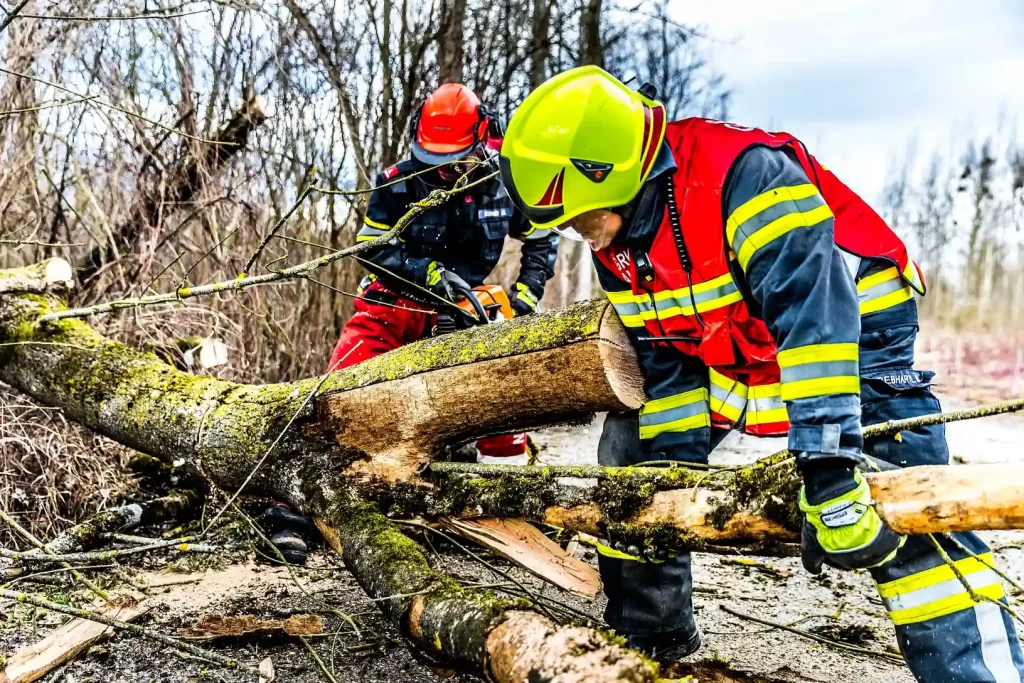
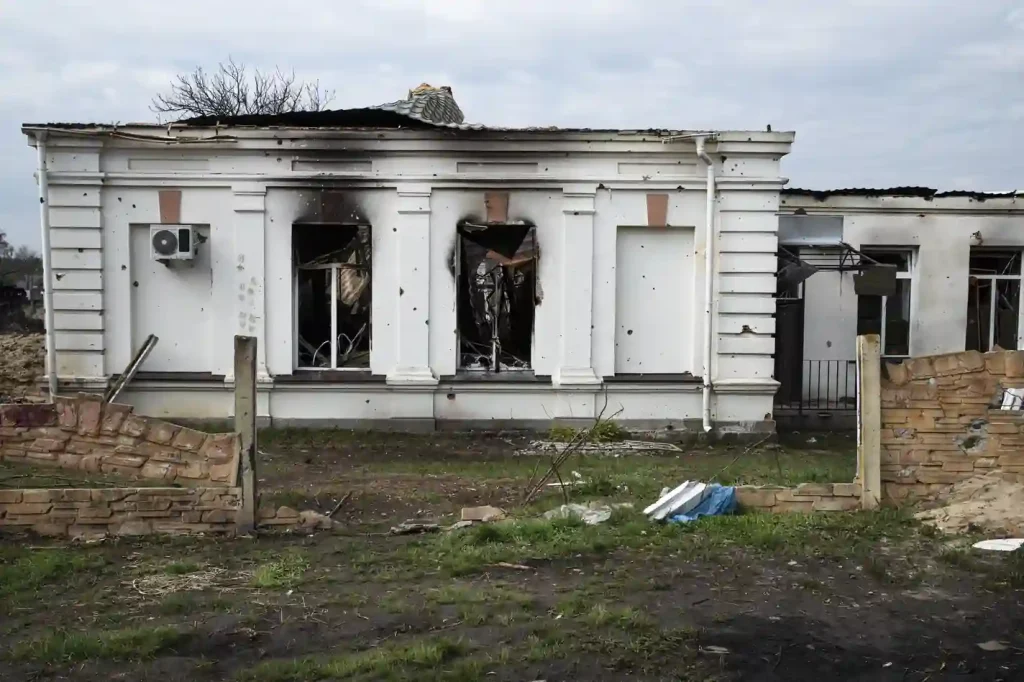
Fire Demolition Permits in Spokane County Permits are where a lot of fire recovery quietly stalls. Owners finish the asbestos survey, get their insurance moving, and assume demolition work can start right away. Then they learn they applied to the wrong municipal office, picked the wrong permit category, or omitted a crucial document from the submission packet. The good news is that local government agencies have streamlined this process following the Spokane Complex Fires. Fees have been reduced, certain administrative steps move faster, and regional authorities actively work to eliminate recovery roadblocks. Still, the exact rules depend heavily on where your property sits and what you plan to do with the parcel. A family rebuilding on the West Plains follows a different administrative path than someone clearing a lot to sell. Here is how demolition permits work for fire-damaged properties, which office handles yours, and how to avoid costly paperwork delays. Do You Need a Permit to Demolish a Burned House? In almost every case, yes. Fire-damaged structures and charred debris piles are treated as official demolition for permitting, environmental safety, and asbestos compliance. The exact permit process depends on your physical jurisdiction and project scope. What changes is the specific permit type required, which hinges on two core questions: Jurisdiction: Is your property within City of Spokane limits or in unincorporated Spokane County? Project Goal: Are you rebuilding in the exact same spot right away, or simply clearing the lot for now? City or County: Who Issues Your Permit Your parcel location determines which permitting building department holds authority. Submitting your application to the wrong department is the single most common cause of avoidable delays. Property Location Designated Permitting Office Inside City of Spokane limits City of Spokane Development Services Center Unincorporated Spokane County Spokane County Building and Planning Department Other Incorporated Cities (e.g., Airway Heights) That specific city’s municipal building department Many West Plains, Nine Mile Falls, and Mead-area addresses fall outside city limits despite carrying a Spokane mailing address. Always verify your parcel jurisdiction on county mapping tools before filing. Demolition Only vs. Rebuild: Which Permit Applies? In unincorporated Spokane County, your long-term site plans dictate whether you must pull a standalone demolition permit or fold the teardown into broader construction filings. Your Long-Term Plan Required Permit Workflow Rebuild in the same footprint immediately A comprehensive Building Permit (covers both demolition and construction) Clear the site now, rebuild later Standalone Demolition Permit Rebuild in a different spot on the parcel Standalone Demolition Permit first, followed by new site plans Sell the lot or opt not to rebuild Standalone Demolition Permit Most property owners are not ready to submit complete architectural rebuild plans in the first weeks following a loss. For them, pulling a standalone demolition permit gets site clearing moving quickly with professional debris removal services without waiting on architects or engineers. What You Need Before You Apply For fire-damaged properties, a Notice of Intent (NOI) filed with Spokane Clean Air is a mandatory prerequisite to receiving local demolition or building permits. Spokane Clean Air requires an NOI whether your asbestos survey returns positive or negative results, and local building departments require confirmation before releasing permits. Document Checklist Assemble these items prior to submitting your permit application: Asbestos Survey Results: Certified lab report completed by an AHERA-certified inspector. NOI Confirmation: Filed receipt from Spokane Clean Air (filing fees are currently waived for fire-affected owners). Parcel & Address Data: Official tax parcel number and physical street address. Contractor Details: State contractor license number and insurance details if a hired crew performs the work. Fees and Relief for Fire-Affected Owners Local government agencies have instituted significant fee waivers and rate reductions to support fire recovery efforts: City of Spokane: The city council established a reduced flat demolition fee and waived processing surcharges for fire-damaged structures. Spokane County: Reduced demolition fees apply to wildfire-affected properties. Always confirm current rates with county planners prior to budgeting. Spokane Clean Air: Both standard NOI filing fees and mandatory notification waiting periods are waived for fire disaster recovery. How Long Can the Permit Process Take? Permit timing depends on jurisdictional workload, application completeness, and environmental clearance status. The City of Spokane has reported rapid turnarounds for completed wildfire applications, occasionally issuing permits within two business days when using previously approved structural plans. However, missing asbestos documentation, incomplete applications, or unresolved environmental site requirements will pause review times. Working with an experienced demolition contractor ensures all submittals are correct on the first attempt. Other Permits That May Apply A primary demolition permit is not always the only approval required. Depending on site features and equipment placement, you may also need: Secondary Permit When It Is Required Erosion Control Permit Soil is disturbed on steep slopes, hillsides, or near natural waterways Right-of-Way Permit Staging dumpsters, heavy machinery, or haul trucks on public streets Temporary Power Permit Site trailers or specialized equipment require temporary electrical hookups Burned hillsides around Nine Mile Falls, river corridors, and steep terrain are especially prone to triggering erosion control requirements once protective vegetation has burned away. What’s Changing for City of Spokane Rebuilds The city has implemented several administrative reforms designed to lower costs and speed up rebuild timelines: REBUILD Spokane Dashboard: A public tracking system mapping recovery progress and permit approvals. Fee Deferral Options: Rebuild permit fees can often be deferred until the new structure receives its final certificate of occupancy. Like-for-Like Review: Streamlined code reviews that accelerate approval for homes rebuilt in the same footprint at similar square footage. Keeping Your Foundation Affects Your Permit Plan If you plan to reuse an existing concrete foundation, a licensed structural engineer must inspect and certify its structural integrity. Neither Spokane County nor City building inspectors perform this assessment. Decide this before demolition begins. Your heavy equipment operator needs clear instructions on whether to break out the foundation or carefully protect it during clearing, directly impacting your rebuild permit scope. Got Questions? Frequently Asked Questions ? Can I apply for a fire

What to Do After a Fire Damages Your Spokane Home
Spokane, WA

What to Do After a Fire Damages Your Spokane Home

What to Do After a Fire Damages Your Spokane Home September 28, 2026 Spokane, WA What to Do After a Fire Damages Your Spokane Home The first time you pull back into your driveway after a fire, your instincts will tell you to start fixing things. Grab a shovel, sweep the ash, and salvage what you can. Hold that thought for a few days. The weeks after the Spokane Complex Fires are when homeowners make the mistakes that cost them the most. Some are safety mistakes. Others quietly weaken an insurance claim or slow down cleanup months later. This guide covers the first steps that actually matter, in the order they matter. It applies whether your home burned completely, lost part of its roof, or is still standing with ash drifted inside. The goal is simple: protect your family, protect your claim, and set up the cleanup to go smoothly. Confirm Your Home Is Safe to Enter Your neighborhood reopening does not mean your house is safe. Fire officials clear areas, but a burned structure can still hide weak framing, damaged wiring, or leaking gas. Start with a walk around the outside. Look for: A sagging or partially collapsed roof Damaged power lines, meters, or electrical panels A gas smell near the meter or foundation Cracked or leaning walls Burned HVAC units or melted siding If you see any of these, stay out and get a professional to look first. Burned or damaged lithium-ion batteries can remain hazardous after a fire. Don’t handle damaged batteries or enter a garage or workshop that may contain them unless the area has been cleared as safe. Gear Up Before You Touch Anything Wear the right protection around ash and debris. Ash from burned homes carries metals, plastics, and chemicals that don’t exist in wildland ash. Item Why It Matters N95 or P100 respirator Filters fine ash particles Long sleeves and pants Keeps ash off skin Heavy gloves Protects against glass, nails, melted metal Eye protection Ash irritates eyes quickly Closed-toe boots Hidden debris under ash Keep kids and pets away entirely. Change clothes and shoes before getting back in your car. Handle Utilities the Right Way Don’t try to restore water, power, or gas on your own. Damaged lines can flood, spark, or leak the moment service returns. If your city water was shut off, call Spokane 311 to have it turned back on. Once service returns after a week or more of no use, run your taps to flush stale water before drinking. On a private well, which is common across the West Plains and north county, follow health district guidance before drinking. Heat and power loss can both affect a well system. Don’t Sweep, Shovel, or Haul Debris Yet Leaving debris alone is the single most important thing you can do right now. Moving it early creates health, legal, and cost problems. For homes still standing, skip the broom. Sweeping throws ash back into the air. Lightly mist it with water, then wipe with a damp cloth or use a HEPA vacuum. For burned structures, leave everything in place. Debris must be tested for asbestos before removal, and household hazardous materials are being removed automatically unless you opt out. Our fire debris cleanup timeline explains how that sequence works. Document Everything for Insurance Photos and video taken before anything is moved can provide valuable documentation for your insurance claim. Once debris is gone, that proof is gone too. Work through your property room by room: Take wide shots of every room and each side of the exterior Take close-ups of damaged items, soot marks, and burned areas Record video while narrating what you see Save receipts for hotels, meals, and supplies Keep a written log of every call with your insurer Remember that smoke damage counts even when flames never reached a room. Soot travels through vents, windows, and door gaps. Call Your Insurance Company Early Report your claim as soon as you can, even if you don’t have all the details. Starting early keeps your claim moving while testing and permits are still in progress. Washington’s Insurance Commissioner issued an emergency order for areas affected by the 2026 wildfires. Through September 30, 2026, the order provides a 45-day grace period for premium payments, waives late and reinstatement fees, and restricts cancellation for nonpayment. Check with your insurer on whether the order is extended. If your claim stalls or you have questions about your policy, the state’s consumer hotline at 800-562-6900 is free. Watch Out for Rushed Decisions Disasters bring out-of-area contractors knocking on doors with same-day offers. Signing too fast is one of the most common regrets after a fire. Before you hire anyone: Verify their contractor license through Washington L&I Ask for a written scope and price before work starts Confirm they know the asbestos survey and permit requirements Ask for local references you can actually call Anyone offering to haul debris before testing is a red flag. Take It One Step at a Time You don’t need to solve everything this week. Safe entry, documentation, and an insurance call are enough to start. Cleanup, demolition, and rebuilding follow once testing and permits are in place. Families who move carefully in the first few weeks usually have fewer surprises later. Frequently Asked Questions QCan I stay in my home if it has smoke damage but no fire damage? APossibly. Homes without structural damage may be livable after careful cleaning, but heavy soot, damaged utilities, or chemical smells need professional help first. QShould I throw out food from a home near the fire? AYes, if it was exposed. Toss anything unsealed, heat-exposed, or spoiled from a power outage. When in doubt, throw it out. QIs my homeowners insurance still active if I missed a payment? ALikely yes for now. The state emergency order requires a 45-day grace period and blocks nonpayment cancellations in affected ZIP codes through September 30. QCan volunteers help clear my burned property? ANot yet. Debris

Fire Cleanup Timeline: Testing, Permits, Removal
Spokane, WA

Fire Cleanup Timeline: Testing, Permits, Removal

Fire Cleanup Timeline: Testing, Permits, Removal September 28, 2026 Spokane, WA Fire Cleanup Timeline: Testing, Permits, Removal Walking back onto a burned property is hard enough. Not knowing what comes next makes it worse. Across Airway Heights, Nine Mile Falls, Mead, and the West Plains, hundreds of Spokane County families are now in the same spot. The evacuation orders are lifted, but the debris is still sitting there, and nobody seems to agree on how long it will take to clear. The honest answer is that fire cleanup follows a fixed sequence. Each step depends on the one before it, and most delays come from a step being skipped or done out of order. Once you understand that sequence, you can plan around it instead of waiting in the dark. Here’s how the process works in Spokane County, who handles each piece, and what tends to slow things down. Why Fire Cleanup Follows a Strict Order Cleanup runs in order because each agency needs proof the previous step is done. Your permit depends on your asbestos paperwork, and your disposal depends on your test results. That chain exists for safety. Burned homes release asbestos, lead, and heavy metals into the ash. Moving debris before it’s tested can spread those materials across your lot and your neighbors’ yards. It also protects your wallet. Debris hauled without a survey is treated as asbestos waste, which can cost up to four times more to dispose of. The Cleanup Sequence at a Glance Most Spokane County fire properties move through six stages. Here’s the full picture before we break each one down. Stage Who Handles It Common Hold-Up 1. Household hazmat removal EPA (federal program) Crew scheduling across hundreds of parcels 2. Asbestos survey AHERA-certified inspector Inspector availability 3. Notice of Intent Owner or contractor, filed with Spokane Clean Air Missing survey results 4. Demolition permit Spokane County Building Department (or City) Missing NOI copy 5. Debris removal and disposal Licensed contractor or abatement company Positive asbestos results 6. Site prep for rebuild Contractor, engineer Foundation decisions, erosion control Stage 1: Household Hazardous Material Removal The first step is removing dangerous household items like propane tanks, paints, pool chemicals, and lithium batteries. The EPA is running this program for burned properties in the county at no direct cost to owners. Owners can opt out, but that usually means handling those materials on your own dime. For most families, letting the EPA finish is the faster and safer path. One thing to know: the EPA does not test for asbestos. That’s a separate step you’ll still need. Stage 2: The Asbestos Survey An AHERA-certified building inspector must test the ash and debris before anything gets moved. This applies to the house, garage, and any burned outbuildings. While you wait for results, leave the debris alone. That goes for you, volunteers, and any company offering to help. Disturbing tested debris can invalidate the survey. What happens next depends on the result: Negative: You or a Washington-licensed contractor can remove the debris Positive: A Washington Certified Asbestos Abatement Company must remove the asbestos-containing material Stages 3 and 4: The NOI and Your Permit Once you have survey results, a Notice of Intent gets filed with Spokane Clean Air. This is required whether the result is positive or negative. The NOI matters because the City and County both want a copy before they’ll issue a demolition or building permit. Right now, Spokane Clean Air is waiving NOI fees and waiting periods for fire-affected owners, which removes one common delay. With the NOI in hand, your contractor can apply for the demolition and debris removal permit. Properties inside city limits go through the City of Spokane instead. Stage 5: Debris Removal and Disposal Removal starts once the permit is issued. How the debris is handled depends entirely on your survey. Survey Result Where Debris Can Go Negative Graham Road Landfill, Valley Transfer Station, or Northside Transfer Station (survey copy must travel with the load) Positive Graham Road Landfill only, handled by a certified abatement company Ash is not accepted at the Waste-to-Energy Facility. That’s why proper sorting on site matters so much. Stage 6: Preparing the Lot for Rebuilding The final stage leaves you with a clean, buildable lot. That usually means clearing ash, grading, and opening access for your builder. If you want to keep your existing foundation, a structural engineer must inspect and certify it. The county does not do this inspection for you. Sloped lots or properties near creeks may also need erosion control once soil is disturbed. Burned ground loses the vegetation that normally holds it in place. Local Factors That Can Stretch the Timeline A few conditions specific to this fire and this region can add time: Volume: More than 800 structures burned, so inspectors, abatement crews, and permit staff are all in high demand Permit load: City officials have said they don’t yet know if a flood of applications will strain staff Season: Fall rain and winter freezes can complicate grading and hauling on rural West Plains and north county lots Starting paperwork early is the best way to stay ahead of the backlog. Keeping Your Property Safe While You Wait The waiting period is where many avoidable problems happen. A few habits protect your family and your cleanup: Keep children and pets away from ash and debris Wear an N95 or P100 respirator if you must be near ash Remove shoes and change clothes before entering a car or home Photograph everything for your insurance file before any work begins Don’t let well-meaning volunteers move debris before testing Frequently Asked Questions QCan I remove fire debris before the asbestos test comes back? ANo. Debris must stay untouched until results arrive. Moving it early can spread contaminants and create problems with disposal and permits. QDo I still need a Notice of Intent if my asbestos survey is negative? AYes. Spokane Clean Air requires an NOI either way, and you’ll need a copy

Scroll to Top