Fire Cleanup Timeline: Testing, Permits, Removal
- September 28, 2026
- Spokane, WA
Fire Cleanup Timeline: Testing, Permits, Removal
Walking back onto a burned property is hard enough. Not knowing what comes next makes it worse.
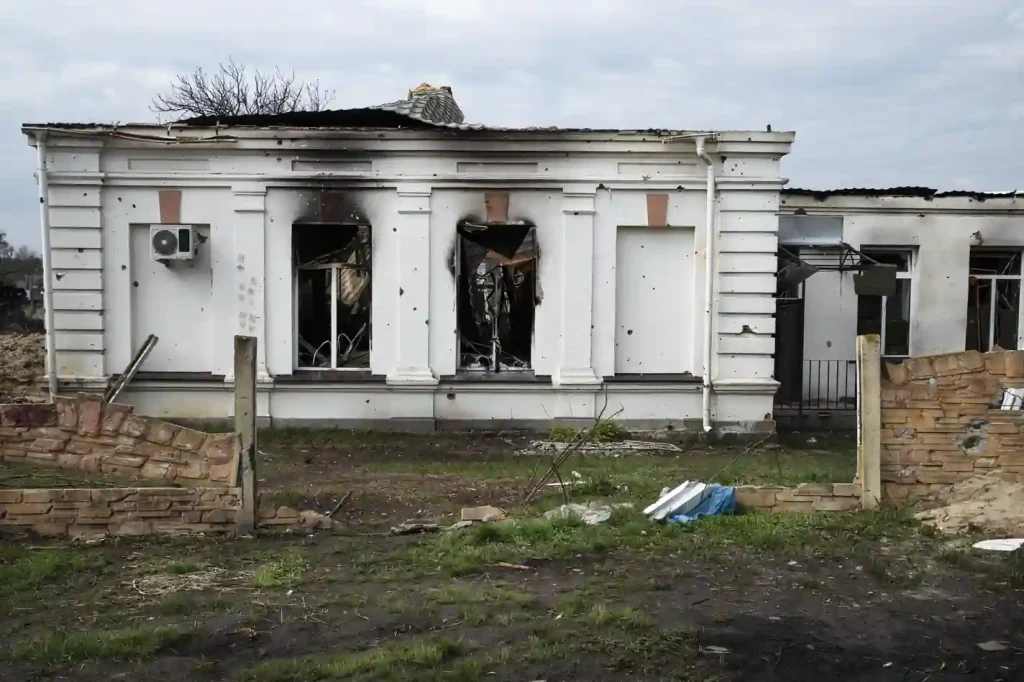
Across Airway Heights, Nine Mile Falls, Mead, and the West Plains, hundreds of Spokane County families are now in the same spot. The evacuation orders are lifted, but the debris is still sitting there, and nobody seems to agree on how long it will take to clear.
The honest answer is that fire cleanup follows a fixed sequence. Each step depends on the one before it, and most delays come from a step being skipped or done out of order. Once you understand that sequence, you can plan around it instead of waiting in the dark.
Here's how the process works in Spokane County, who handles each piece, and what tends to slow things down.
Why Fire Cleanup Follows a Strict Order
Cleanup runs in order because each agency needs proof the previous step is done. Your permit depends on your asbestos paperwork, and your disposal depends on your test results.
That chain exists for safety. Burned homes release asbestos, lead, and heavy metals into the ash. Moving debris before it's tested can spread those materials across your lot and your neighbors' yards.
It also protects your wallet. Debris hauled without a survey is treated as asbestos waste, which can cost up to four times more to dispose of.
The Cleanup Sequence at a Glance
Most Spokane County fire properties move through six stages. Here's the full picture before we break each one down.
| Stage | Who Handles It | Common Hold-Up |
|---|---|---|
| 1. Household hazmat removal | EPA (federal program) | Crew scheduling across hundreds of parcels |
| 2. Asbestos survey | AHERA-certified inspector | Inspector availability |
| 3. Notice of Intent | Owner or contractor, filed with Spokane Clean Air | Missing survey results |
| 4. Demolition permit | Spokane County Building Department (or City) | Missing NOI copy |
| 5. Debris removal and disposal | Licensed contractor or abatement company | Positive asbestos results |
| 6. Site prep for rebuild | Contractor, engineer | Foundation decisions, erosion control |
Stage 1: Household Hazardous Material Removal
The first step is removing dangerous household items like propane tanks, paints, pool chemicals, and lithium batteries. The EPA is running this program for burned properties in the county at no direct cost to owners.
Owners can opt out, but that usually means handling those materials on your own dime. For most families, letting the EPA finish is the faster and safer path.
One thing to know: the EPA does not test for asbestos. That's a separate step you'll still need.
Stage 2: The Asbestos Survey
An AHERA-certified building inspector must test the ash and debris before anything gets moved. This applies to the house, garage, and any burned outbuildings.
While you wait for results, leave the debris alone. That goes for you, volunteers, and any company offering to help. Disturbing tested debris can invalidate the survey.
What happens next depends on the result:
- Negative: You or a Washington-licensed contractor can remove the debris
- Positive: A Washington Certified Asbestos Abatement Company must remove the asbestos-containing material
Stages 3 and 4: The NOI and Your Permit
Once you have survey results, a Notice of Intent gets filed with Spokane Clean Air. This is required whether the result is positive or negative.
The NOI matters because the City and County both want a copy before they'll issue a demolition or building permit. Right now, Spokane Clean Air is waiving NOI fees and waiting periods for fire-affected owners, which removes one common delay.
With the NOI in hand, your contractor can apply for the demolition and debris removal permit. Properties inside city limits go through the City of Spokane instead.
Stage 5: Debris Removal and Disposal
Removal starts once the permit is issued. How the debris is handled depends entirely on your survey.
| Survey Result | Where Debris Can Go |
|---|---|
| Negative | Graham Road Landfill, Valley Transfer Station, or Northside Transfer Station (survey copy must travel with the load) |
| Positive | Graham Road Landfill only, handled by a certified abatement company |
Ash is not accepted at the Waste-to-Energy Facility. That's why proper sorting on site matters so much.
Stage 6: Preparing the Lot for Rebuilding
The final stage leaves you with a clean, buildable lot. That usually means clearing ash, grading, and opening access for your builder.
If you want to keep your existing foundation, a structural engineer must inspect and certify it. The county does not do this inspection for you.
Sloped lots or properties near creeks may also need erosion control once soil is disturbed. Burned ground loses the vegetation that normally holds it in place.
Local Factors That Can Stretch the Timeline
A few conditions specific to this fire and this region can add time:
- Volume: More than 800 structures burned, so inspectors, abatement crews, and permit staff are all in high demand
- Permit load: City officials have said they don't yet know if a flood of applications will strain staff
- Season: Fall rain and winter freezes can complicate grading and hauling on rural West Plains and north county lots
Starting paperwork early is the best way to stay ahead of the backlog.
Keeping Your Property Safe While You Wait
The waiting period is where many avoidable problems happen. A few habits protect your family and your cleanup:
- Keep children and pets away from ash and debris
- Wear an N95 or P100 respirator if you must be near ash
- Remove shoes and change clothes before entering a car or home
- Photograph everything for your insurance file before any work begins
- Don't let well-meaning volunteers move debris before testing
Frequently Asked Questions
Getting Help With the Process
You don't have to manage every stage alone. A local crew that knows the county process can line up testing, file paperwork, and handle removal in the right order.
If your property was damaged in the Spokane area fires, JTC Demolition can walk your site and explain where you are in the process. Learn more about our emergency fire damage cleanup.