What to Do After a Fire Damages Your Spokane Home
- September 28, 2026
- Spokane, WA
What to Do After a Fire Damages Your Spokane Home
The first time you pull back into your driveway after a fire, your instincts will tell you to start fixing things. Grab a shovel, sweep the ash, and salvage what you can.
Hold that thought for a few days.
The weeks after the Spokane Complex Fires are when homeowners make the mistakes that cost them the most. Some are safety mistakes. Others quietly weaken an insurance claim or slow down cleanup months later.
This guide covers the first steps that actually matter, in the order they matter. It applies whether your home burned completely, lost part of its roof, or is still standing with ash drifted inside. The goal is simple: protect your family, protect your claim, and set up the cleanup to go smoothly.
Confirm Your Home Is Safe to Enter
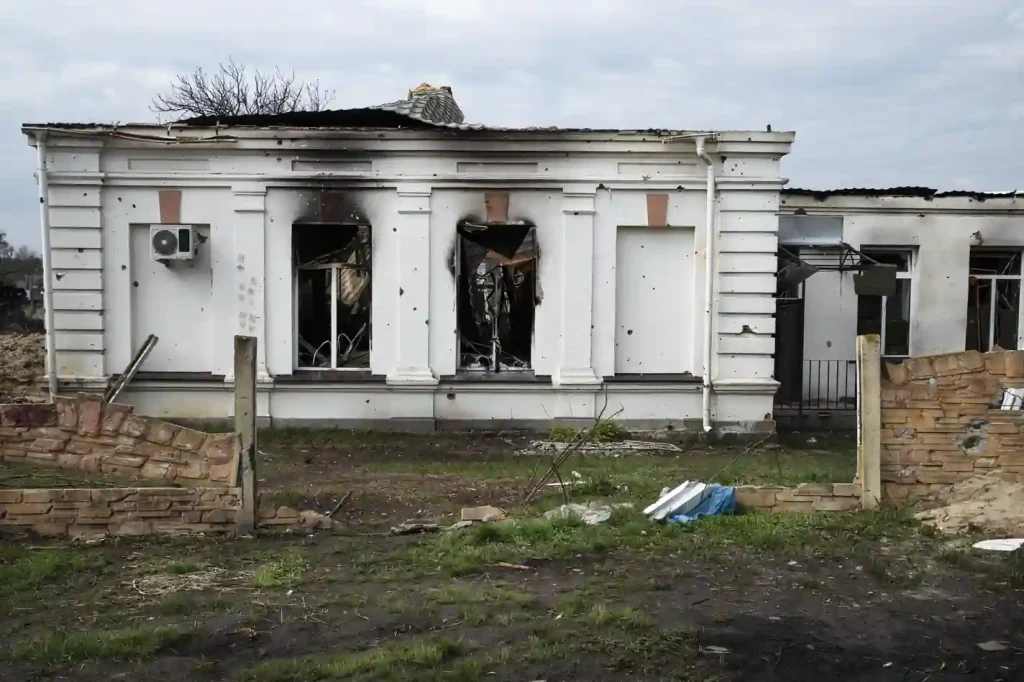
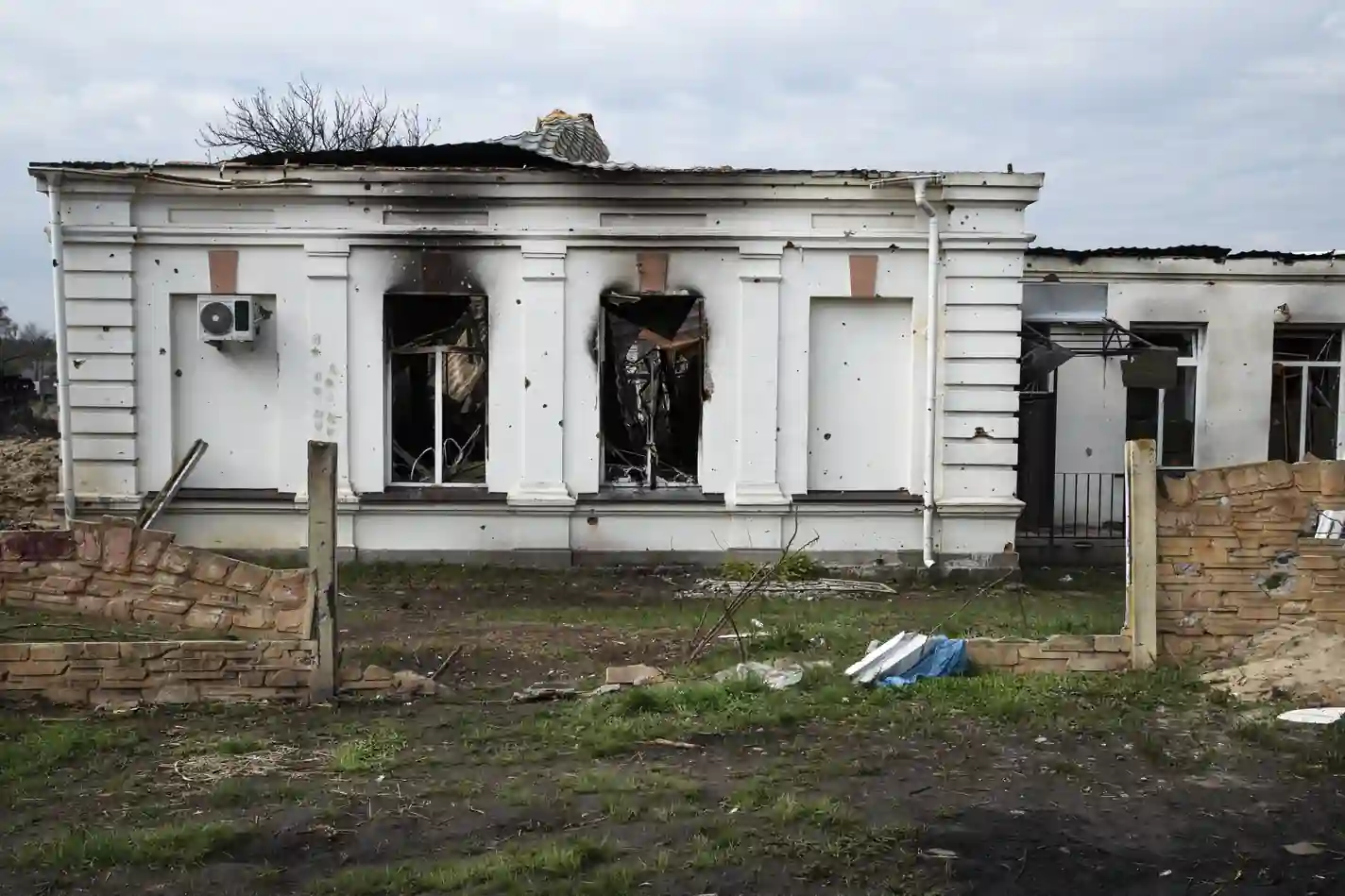
Your neighborhood reopening does not mean your house is safe. Fire officials clear areas, but a burned structure can still hide weak framing, damaged wiring, or leaking gas.
Start with a walk around the outside. Look for:
- A sagging or partially collapsed roof
- Damaged power lines, meters, or electrical panels
- A gas smell near the meter or foundation
- Cracked or leaning walls
- Burned HVAC units or melted siding
If you see any of these, stay out and get a professional to look first. Burned or damaged lithium-ion batteries can remain hazardous after a fire. Don't handle damaged batteries or enter a garage or workshop that may contain them unless the area has been cleared as safe.
Gear Up Before You Touch Anything
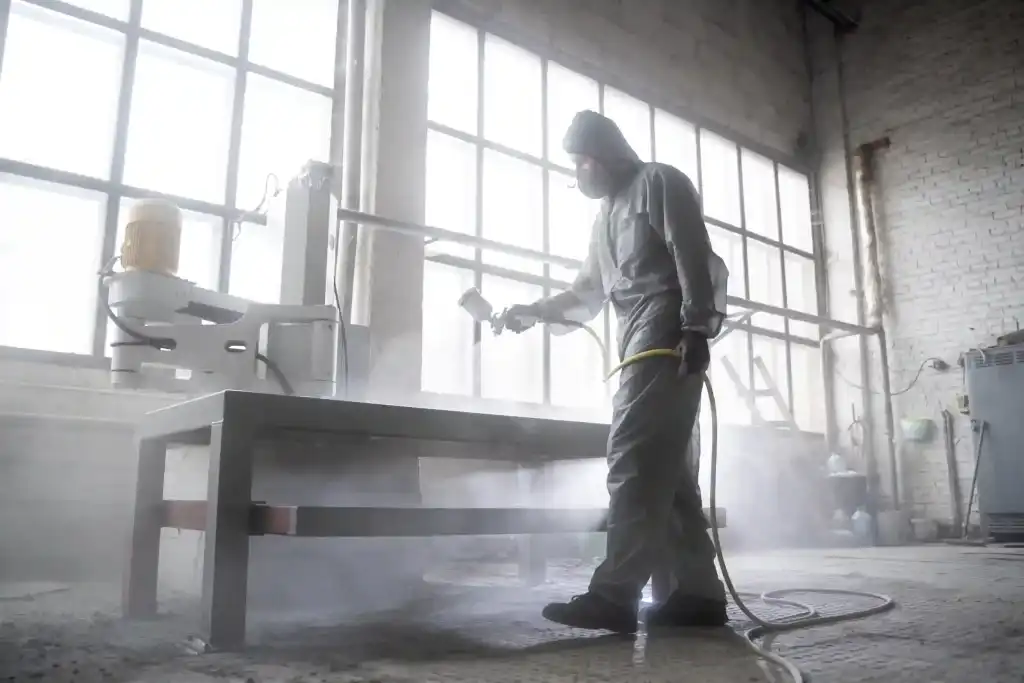
Wear the right protection around ash and debris. Ash from burned homes carries metals, plastics, and chemicals that don't exist in wildland ash.
| Item | Why It Matters |
|---|---|
| N95 or P100 respirator | Filters fine ash particles |
| Long sleeves and pants | Keeps ash off skin |
| Heavy gloves | Protects against glass, nails, melted metal |
| Eye protection | Ash irritates eyes quickly |
| Closed-toe boots | Hidden debris under ash |
Keep kids and pets away entirely. Change clothes and shoes before getting back in your car.
Handle Utilities the Right Way
Don't try to restore water, power, or gas on your own. Damaged lines can flood, spark, or leak the moment service returns.
If your city water was shut off, call Spokane 311 to have it turned back on. Once service returns after a week or more of no use, run your taps to flush stale water before drinking.
On a private well, which is common across the West Plains and north county, follow health district guidance before drinking. Heat and power loss can both affect a well system.
Don't Sweep, Shovel, or Haul Debris Yet
Leaving debris alone is the single most important thing you can do right now. Moving it early creates health, legal, and cost problems.
For homes still standing, skip the broom. Sweeping throws ash back into the air. Lightly mist it with water, then wipe with a damp cloth or use a HEPA vacuum.
For burned structures, leave everything in place. Debris must be tested for asbestos before removal, and household hazardous materials are being removed automatically unless you opt out. Our fire debris cleanup timeline explains how that sequence works.
Document Everything for Insurance
Photos and video taken before anything is moved can provide valuable documentation for your insurance claim. Once debris is gone, that proof is gone too.
Work through your property room by room:
- Take wide shots of every room and each side of the exterior
- Take close-ups of damaged items, soot marks, and burned areas
- Record video while narrating what you see
- Save receipts for hotels, meals, and supplies
- Keep a written log of every call with your insurer
Remember that smoke damage counts even when flames never reached a room. Soot travels through vents, windows, and door gaps.
Call Your Insurance Company Early
Report your claim as soon as you can, even if you don't have all the details. Starting early keeps your claim moving while testing and permits are still in progress.
Washington's Insurance Commissioner issued an emergency order for areas affected by the 2026 wildfires. Through September 30, 2026, the order provides a 45-day grace period for premium payments, waives late and reinstatement fees, and restricts cancellation for nonpayment. Check with your insurer on whether the order is extended.
If your claim stalls or you have questions about your policy, the state's consumer hotline at 800-562-6900 is free.
Watch Out for Rushed Decisions
Disasters bring out-of-area contractors knocking on doors with same-day offers. Signing too fast is one of the most common regrets after a fire.
Before you hire anyone:
- Verify their contractor license through Washington L&I
- Ask for a written scope and price before work starts
- Confirm they know the asbestos survey and permit requirements
- Ask for local references you can actually call
Anyone offering to haul debris before testing is a red flag.
Take It One Step at a Time
You don't need to solve everything this week. Safe entry, documentation, and an insurance call are enough to start.
Cleanup, demolition, and rebuilding follow once testing and permits are in place. Families who move carefully in the first few weeks usually have fewer surprises later.
Frequently Asked Questions
When You're Ready for Cleanup
Once your family is safe and your claim is underway, the next step is determining what needs to be removed and what cleanup requirements apply. JTC Demolition helps Spokane-area property owners with fire-damaged structure demolition and debris removal as the property moves into the cleanup phase.
JTC Demolition is helping Spokane County owners through that process right now. See how our fire damage cleanup and debris removal work when you're ready to take the next step.